
Performing the Hajj is an obligatory pilgrimage undertaken by believers (Muslims) who possess the material and physical capabilities to visit the holy lands of Mecca and Medina.
At the end of January 2027, Saudi Arabia will close the electronic platform for pilgrim registration, after which it will be impossible to obtain a visa and permit to perform the Hajj. The Spiritual Administration of Muslims of the Chechen Republic reports this in its Telegram channel!
Dates of the Hajj in 2027
The date of the pilgrimage changes annually due to the use of the Muslim calendar called «Hijra.».
In 2027, the greater Hajj will be held from May 10 to May 20. (10.05.27 — 20.05.27)
Departures of Muslim pilgrims for the Hajj at 2027 prices are carried out from Moscow, St. Petersburg, Kazan, Grozny, Makhachkala, Ufa, Yekaterinburg, Novosibirsk, Nazran, Dagestan, Kostroma, Orenburg. You can order a Hajj tour/trip through specialized sources. We recommend choosing only legal/official carriers in your country.
What needs to be prepared for the Hajj trip in 2027

New-style biometric passport (valid for at least 6 months)

A copy of the general civil passport (front page and subscription page)

2 color photographs 4*6 on a white background (woman in a headscarf)

Spouses must have a marriage certificate/nikah (script)

For non-ethnic Muslims: certificate of acceptance of Islam

COVID-19 vaccination certificate and PCR test 72 hours before departure

Medicines (antibiotic, aspirin, tetracycline, etc.)

Money (for kurban from 150$ and for personal expenses)

Folding mattress (if possible)
Hajj 2027 - tour cost from Moscow
Price of the official tour depends on the comfort of stay in Mecca and is divided into:
ECONOMY OR COMFORT
- Standard buffet;
- About 4 km to the mosque;
- 3-4 star hotel.
Cost: from 4399 USD. (400 thousand rubles) to 5999 USD. (545 thousand rubles)
LUXURY
- Luxury buffet;
- Accommodation within the temple grounds;
- 5 star hotel.
Cost: from 6500-9000 USD (590 — 820 thousand rubles)
There are trips costing from 10-12 thousand dollars and above; we do not even consider such options.
*you can find your tour operator online
**the website shows average prices for 2026 (there are also minimum prices, but in very limited quantities and their price increases every day, since demand for low prices is always very high)
The cost of tours for 2026 has decreased due to the lifting of most measures and restrictions, but the principle of processing the necessary documents for crossing the border has remained practically unchanged. Now it is easier to buy a Hajj tour in 2026! The increase and significant improvement in the standard of living in the Russian Federation over the past year has greatly influenced the number of visitors to the holy Mecca; now every resident of the richest city of Moscow can afford an annual trip!
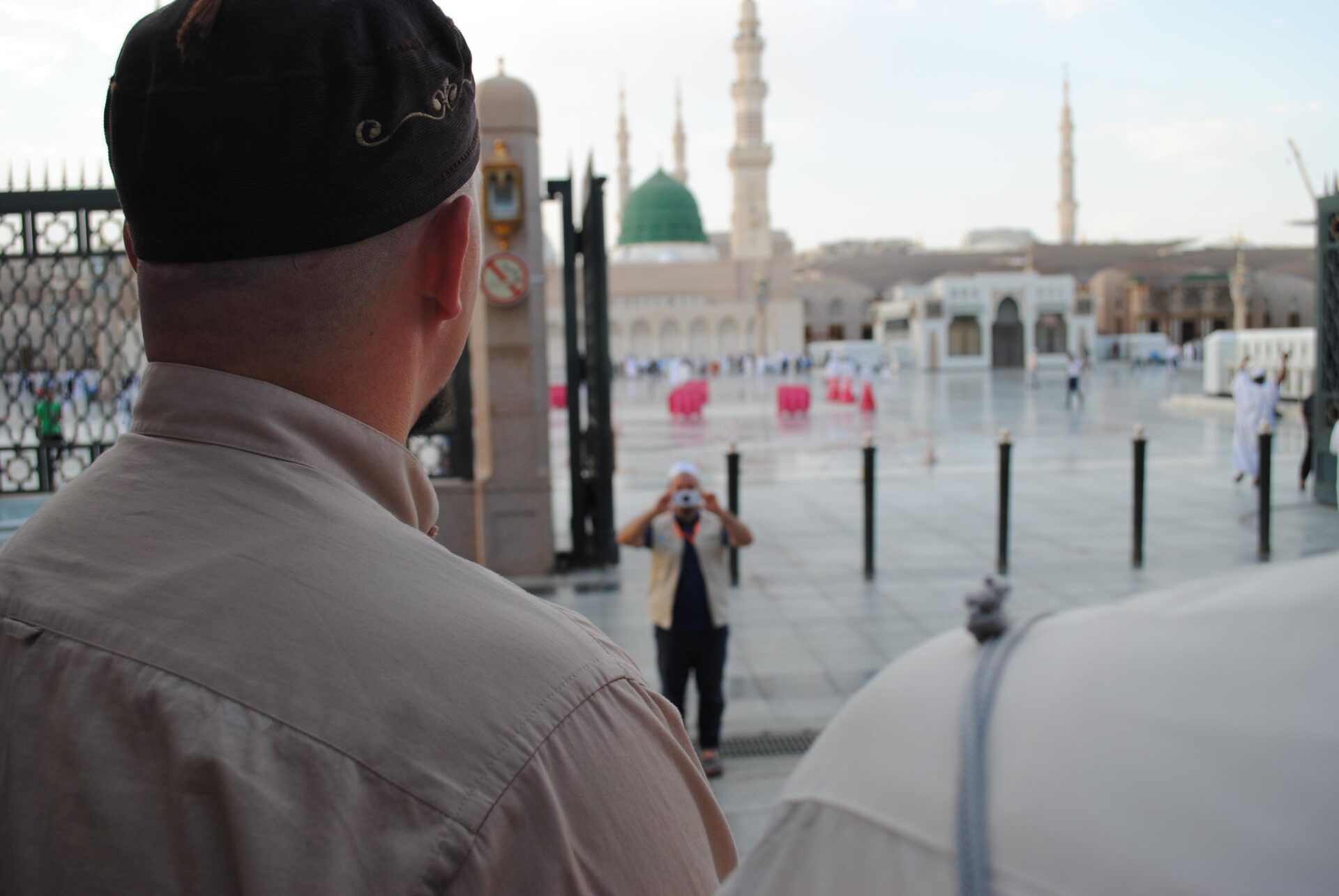
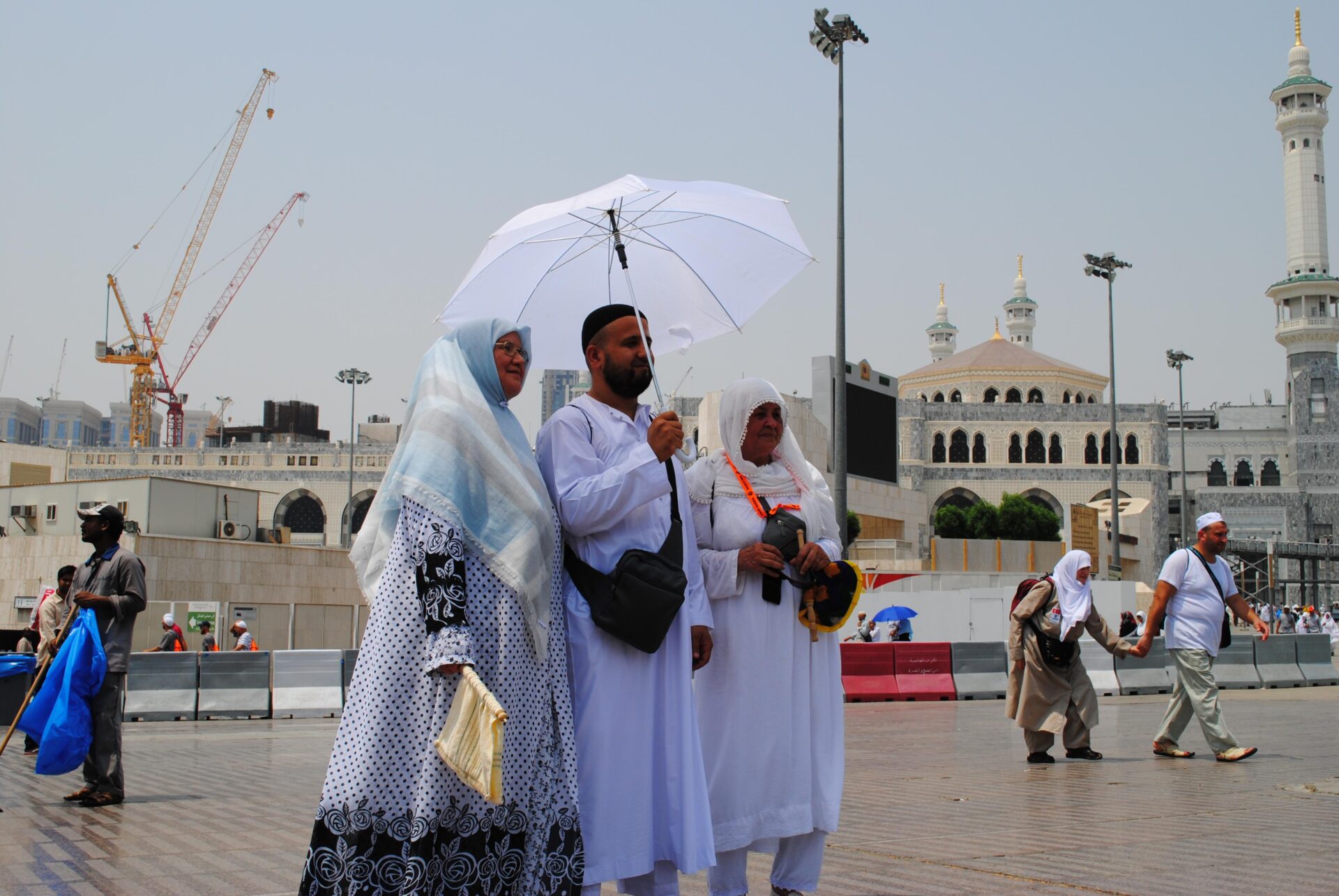

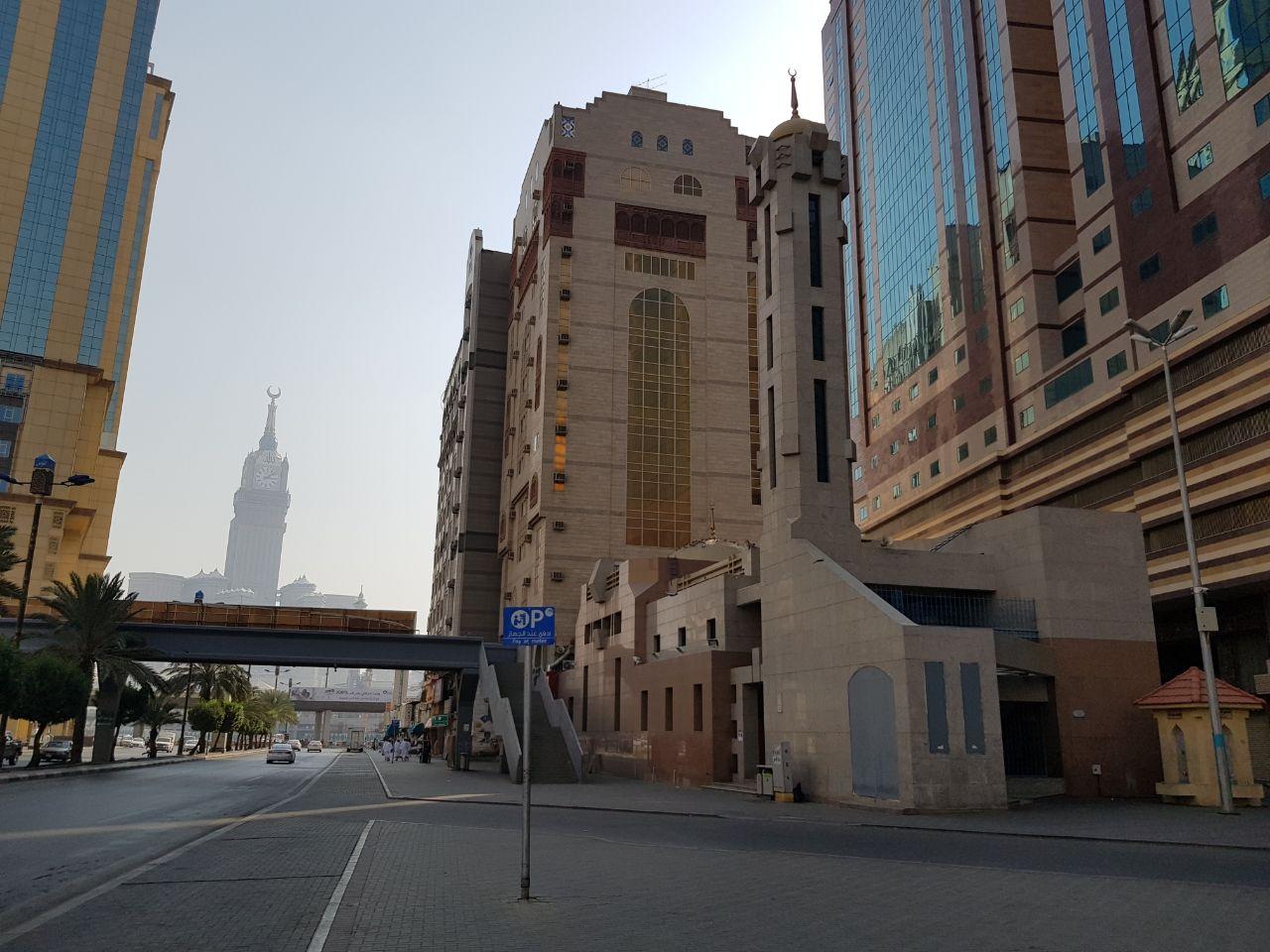
Hajj 2026-2027 - tour cost from Kazakhstan and neighboring countries
The tour price depends on the comfort of stay in Mecca and is divided into:
STANDARD
- 2 meals per day;
- About 1 km to the mosque;
- 4 star hotel (4-person rooms);
- Guide services and assistance with document processing included!
LUXURY
- Buffet, 2-3 meals per day;
- Accommodation 200-250m from the temple;
- 5 star hotel (2-3 person rooms);
- Guide services and assistance with document processing included!
Minimum tour cost: from 3000-4375$ (1.3 — 2 million tenge)
*you can find your tour operator online or via the link provided by us above
**the website shows average prices for 2025-2026
The cost of Hajj in 2026-2027 from Uzbekistan, Tajikistan, Armenia, Kyrgyzstan and neighboring countries will start from 3000 — 4000$ with accommodation, meals and 12-14 day stay near the temple. For more detailed information, contact local tour operators. There are also private carriers who can perform the tour 25-30% cheaper than an official tour operator.
A note for the pilgrim to Mecca
Pillars of Hajj and obligatory actions
From the 1st to the 8th of Dhul-Hijjah
- On the way to Mecca: put on ihram.
- Settle in a hotel in the city of Mecca.
- Visit the al-Haram Mosque.
- Enter the mosque with the right foot and read the dua.
- Circumambulate the Kaaba 7 times, perform prayer at the Maqam.
- Run 7 times between Safa and Marwah, drink Zamzam.
- Go to the salon and get a haircut.
- Read the obligatory prayers together with the jamaat.
- Return to the hotel, take off the ihram and change clothes.
The 8th of Dhul-Hijjah
- After sunrise: ihram, then to the valley of Mina.
- During the day: prayers in jamaat in Mina.
The 9th of Dhul-Hijjah
- After the morning prayer: to Mount Arafat
- At noon: prayers in jamaat at the Namira Mosque
- Read prayers, dhikrs and seek forgiveness.
- After the evening prayer: set off for Muzdalifah.
The 10th of Dhul-Hijjah
- After the morning prayer: head to Mina.
- Go throw 7 pebbles at Jamarat al-Aqabah.
- Sacrifice (if you have not entrusted it to others).
- Get a haircut, take off the ihram and change clothes in the tents
- Go to al-Haram, perform tawaf and sa'i
The 11th, 12th, 13th of Dhul-Hijjah
- After the noon prayer: visit the 3 jamarats.
- Before departure, perform tawaf al-wada'
THE FIRST DAY OF HAJJ
Hajj begins with the 8th of Dhul-Hijjahand, which is called «The Day of Tarwiyah». After sunrise, the pilgrim performing Hajj tamattu', enters the state of ihram. Before this, he does the same as before the ihram of umrah: takes a ghusl, applies perfume and performs prayer. Then he puts on the ihram in the place where he resides or is staying. As for the pilgrims performing Hajj qiran and ifrad, they do not enter the state of ihram, since they have not left it all this time.
Overnight stay in the valley of Mina.
Then the pilgrims (performing all three types of Hajj) head to the valley Mina (1) (The overnight stay in Mina on the Day of Tarwiyah belongs to the sunnah, being a voluntary action), before the onset of the time of the zuhr prayer (noon prayer). In Mina, the prayers of zuhr, asr (afternoon), maghrib (evening) and isha (night) are performed, with the 4-rak'ah prayers being shortened to 2 rak'ahs. The pilgrims spend the night in Mina, and in the morning of the 9th of Dhul-Hijjah after performing the fajr prayer (morning prayer), they head to Mount Arafat. Those who arrived in Mina before the 8th of Dhul-Hijjah, enter the state of ihram after sunrise right there.
THE SECOND DAY OF HAJJ
The second day of Hajj is called the Day of Arafah.
of the 9th of Dhul-Hijjah, after the morning prayer, the pilgrims wait for sunrise, after which they head to Mount Arafat (2) calmly, without fuss and crowding, performing dhikr (remembrance of Allah), reading the Quran, pronouncing the words of talbiyah, reciting: «La ilaha illallah, Allahu akbar, Alhamdu lillah,» offering gratitude to the Lord of the worlds.
Standing at Arafat
Standing at Arafat is one of the obligatory pillars of Hajj, without which the latter will not be valid. As the Messenger of Allah (peace be upon him) said: «Hajj is Arafat». (Abu Dawud and at-Tirmidhi)
The Day of Arafat is the best of days over which the sun has risen. On this Great Day, all pilgrims gather at Arafat and stand here from sunrise until sunset. In Sahih Muslim, a hadith is narrated from Aisha (may Allah be pleased with her!) that the Prophet (peace be upon him) said:
«There is no day like the Day of Arafat on which Allah frees so many of His servants from the Fire. And the Most High, descending to the nearest heaven, boasts before His angels, saying: «What do these (My servants) want?»".
It is desirable for the pilgrim, if possible, to stop at the Namira Mosque before the onset of the Zuhr prayer, as this is a sunnah. During the Zuhr prayer, one adhan and two iqamahs are recited (the iqamah is pronounced immediately before the beginning of each obligatory prayer).
Then the imam delivers a khutbah (sermon) with instructions for the people and performs together with the other Muslims the Zuhr and Asr prayers, combining them and shortening each of the prayers to two rak'ahs, as the Prophet (peace be upon him) did. Additional prayers are performed at will. Since part of the mosque is located outside the boundaries of Mount Arafat, the pilgrim after the prayer should make sure that he is indeed within its boundaries.
It is reported that ‘Urwa ibn Mudarris, may the Almighty Allah be pleased with him, narrated that the Messenger of Allah (peace be upon him) said:
«Whoever attended our prayer in Muzdalifah and stood with us until we set off on the journey, and even earlier stood in the valley of Arafat by day or by night, has performed Hajj and fulfilled its rites.». (Ahmad, Abu Dawud, at-Tirmidhi, an-Nasa'i and Ibn Majah)
This is important to know:
- On the Day of Arafat, the pilgrim must remain within the territory of Mount Arafat until sunset.
- The Namira Mosque is located within the territory of Mount Arafat, however, part of it, namely the eastern side, is outside the boundaries of Arafat. Therefore, the pilgrim must remember this and pay attention to the signs inside the mosque.
Note: The Day of Arafat is the most important day of the Hajj. Therefore, pilgrims must beware of any mistakes that could deprive them of the reward and recompense for the Hajj.
- One should not stop outside of Arafat, remain there until sunset, and set off for the valley of Muzdalifah earlier than the appointed time. Whoever does so has not performed the Hajj;
- One must not leave Arafat before sunset. This is forbidden, as it contradicts the actions of the Prophet (peace be upon him);
- It is not permitted to create crowding and jostling with the use of force in order to climb Mount Arafat (Jabal ar-Rahmah) and reach the summit, to rub stones for the purpose of obtaining blessings, or to perform prayer at the summit of the mountain.
- A major mistake is turning one's face toward Mount Arafat during du'a.
The Farewell Sermon of the Prophet (peace be upon him)
On the Day of Sacrifice, the Prophet (peace be upon him) delivered a sermon and said: «Do you know what day this is?» The people replied: «Allah and His Messenger know best!»
He paused for a moment, and the companions thought that he would call this day by another name, but he asked: «Is this not the Day of Sacrifice?» The people replied: «Of course.» He said: «And what month is it now?» They replied: «Allah and His Messenger know best!»
He again paused for a moment, and the companions thought that he would call this month by another name, but he asked: «Is this not the month of Dhul-Hijjah?» The people said: «Of course.» He said: «And what is this city?» The people replied: «Allah and His Messenger know best!»
He again paused for a moment, and the companions again thought that he would call this city by another name, but he asked: «Is this not the sacred city?» The people said: «Of course.».
Then he said: «Verily, your blood and your property are as inviolable and sacred as this day, this month, and this land are sacred, and they will remain inviolable until the day when you meet your Lord. Have I conveyed the message to you?» The people replied: «Yes.» He exclaimed: «O Allah, bear witness! And let those present inform those who were absent, for
it may happen that a person to whom the knowledge is conveyed may preserve it better than the one who heard it for the first time...» (al-Bukhari and Muslim)
The Valley of Muzdalifah
of the 9th of Dhul-Hijjah after sunset, the pilgrims head to the valley of Muzdalifah (3).
Upon arrival, without delay, they perform the Maghrib and Isha prayers, combining them and shortening the Isha prayer, with one adhan and two iqamahs. The pilgrims stay overnight in Muzdalifah, frequently pronouncing the talbiyah, remembering Allah, being grateful to Him for the mercy shown and the favor in performing the rites of Hajj.
Frequently committed mistakes in Muzdalifah:
- One should not collect pebbles immediately upon arrival in Muzdalifah, before performing the Maghrib and Isha prayers;
- To be convinced that the pebbles for throwing at the jamarat must be collected exclusively in Muzdalifah;
- Washing the pebbles intended for throwing at the jamarat, since there are no authentic hadiths asserting that the Prophet (peace be upon him) did anything of the sort.
Correct actions in Muzdalifah
Spending the night in Muzdalifah and performing the morning prayer in this valley is a sunnah. Women, weak people, children, and those responsible for them are permitted to leave the valley of Muzdalifah after midnight and head to the tents in Mina.
THE THIRD DAY OF HAJJ
According to the sunnah On the 10th of Dhul-Hijjah, it is desirable for the pilgrim after the morning prayer to be in Muzdalifah at the mountain of «al-Mash'ar al-Haram.» He should, turning toward the qibla, frequently remember Allah, magnify Him, and ask for whatever he wishes.
Then all the pilgrims, shortly before sunrise, head to the valley of Mina, where along the way they collect seven small pebbles, the size of a phalanx, in order to throw them at Jamrat al-Aqabah (4). The remaining pebbles for the following days are collected in Mina. Thus, the pilgrim, pronouncing the talbiyah, in humility and remembrance of Allah, makes his way to Mina.
«It is reported that Jabir, may the Almighty Allah be pleased with him, narrated that the Messenger of Allah (peace be upon him) on the Day of Sacrifice threw the pebbles before noon, and on the remaining days — after noon.» (Muslim)
The Valley of Mina.
Throwing the Pebbles
a) Upon arriving in Mina, the pilgrim hastens to джамарат аль-ъакаба, находящегося рядом с Меккой. При приближении к джамарат аль-ъакаба тальбия прекращается и паломник бросает в стену 7 камешков. Необходимо бросать камешки один за другим. Если бросить несколько камешков сразу, то это засчитывается только за один бросок. Также при каждом броске желательно, возвеличивать Аллаха словами: «Аллаху акбар».
Будьте бдительны и осторожны в 1-день Джамаратов. Если Вы вместе с семьей или со слабыми людьми, то Вам следует переждать и
отправиться к джамарату позже. Так как к началу времени открытия джамаратов, там скапливается наибольшее количество людей. После бросания камешков в джамарат аль-ъакаба паломник начинает возвеличивать Всевышнего:
«Аллаһу әкбар Аллаһу әкбар Аллаһу әкбар Лә иләһә иллаллаһу Аллаһу әкбар Аллаһу әкбар уа лилләһил хамд».
Перевод: «Аллах велик (трижды), нет божества, кроме Аллаха. Аллах велик, Аллах велик, и Ему принадлежит вся хвала».
Жертвоприношение
б) Приношение в жертву животное. Каждый, на ком возлежит обязанность совершить жертвоприношение, должен зарезать одно из трех жертвенных животных: барана, корову или верблюда. Мясо едят и раздают бедным. Сегодня обязанность резать и раздавать нуждающимся берут на себя некоторые предприятия, которые выдадут вам чек и исполнят этот обряд вместо вас.
День жертвоприношения-это первый день праздника ъид аль-Адха (Курбан айт). Все мусульмане на Земле, на востоке и западе, на севере и юге, и паломники в Мине с радостью встречают благословенный праздник жертвоприношения, закалывают жертвенное животное, приближаясь тем самым ко Всевышнему Аллаху.
Бритье или укорачивание волос
в) После того, как паломник закончит бросать камешки в джамарат аль-ъакаба на 10-й день зуль-хиджи, ему следует побрить голову или подкоротить волосы. Но сбривание предпочтительней, что же касается женщины, то она укорачивает свои волосы на длину одной фаланги. После бритья головы, мусульманин снимает с себя две белые материи, в которые был облачен, переодевается в повседневную одежду и частично выходит из состояния ихрама, после чего ему разрешаются все вещи, кроме близости с женой.
Данный порядок является предпочтительным, хотя разрешается совершать эти обряды и в другом порядке.
Часто допускаемые ошибки при бросании камешков:
- Убежденность некоторых паломников в том, что камешки бросаются в шайтанов. Поэтому бросание сопровождается руганью и проклятиями. На самом деле это не так, в шариате обряд бросания камешков предназначен для поминания Аллаха.
- Когда люди не смотрят на указательные знаки, идут против основного потока, пытаясь сделать все быстро. Нельзя брать с собой какую-либо поклажу, которая может рассыпаться, а другие люди споткнутся о нее. Именно эти действия очень часто приводят к давке, толкотне и смерти особенно на мосту, где расположены джамараты.
- Когда паломники бросают в джамарат крупные камни, обувь, палки и пр., что является чрезмерностью в религии, запрещенной нашим пророком (с.а.у.). Паломнику следует проявлять мягкость, и дружелюбие к своим братьям, выбирать удобное и безопасное место для бросания. Попадание камешков в стену не обязательно, достаточно попасть в колодец.
Таваф аль-ифада (таваф хаджа)
Таваф аль-ифада является одним из столпов хаджа, без которого последний будет неполным. После бросания камней в джамарат аль-ъакаба, утром праздничного дня, паломник направляется к Мекке (5), чтобы совершить семь кругов Тавафа аль-ифада, затем семь раз са’й, в случае если он совершает Хадж таматтуъ. Или же если он совершает хадж ифрад и киран, но по прибытии в Мекку после Тавафа аль-кудум не совершил са’й для хаджа. Таваф аль-ифада можно отложить и совершить его по возвращении из Мины на 4-день Курбан айта после джамаратов.
После тавафа аль-ифада в день жертвоприношения паломнику разрешаются запрещенные во время ихрама вещи, вплоть до близости с женой.
ДНИ ТАШРИКА. 11-13 зуль-хиджа
Дни ташрика начинаются с момента вхождения ночи 11 числа зуль-хиджи и продолжаются до 13 того же месяца. Т.е. Дни ташрика-это 4,5,6-ые дни Хаджа или 2,3,4-ые дни Курбан айта.
- После тавафа аль-ифада в День жертвоприношения паломник возвращается в Мину для ночевки там в течение трех дней ташрика.
- Или ночует в Мине только две ночи, если он спешит.
Дни ташрика, распорядок на 3 дня:
- Совершение утреннего намаза с джамаатом (можно в палатках, но лучше всего в мечети)
- Частое поминание Аллаха с помощью зикров и ду’а;
- После полудня (когда солнце минует зенит) совершение намаза зухр и бросание камешков во все три джамарата. При этом не забывая произносить слова «Аллаху акбар» с каждым броском камешка. Необходимо спокойно совершать обряды, не ругаясь, не грубя и не препираясь с другими.;
- Если есть возможность, то желательно съездить в город и до вечера провести время в Масджид аль-Харам, совершая таваф, а также доп. и обязательные молитвы.
- Разрешается также ночевать в Мине не 3 дня ташрика, а только 2.
«Поминайте Аллаха в считанные дни (в течение трех дней ташрика). Кто торопится и завершает обряд за два дня, тот не совершает греха. И кто задерживается, тот также не совершает греха. Это касается богобоязненных. Бойтесь же Аллаха и знайте, что к Нему вы будете собраны»(аль-Бакара, 203).
Согласно сунне паломнику после бросания камешков в джамарат ас-сугра и аль-вуста следует, обратившись лицом к кибле и подняв руки, просить Всевышнего, о чем пожелает. Что касается джамарата аль-ъакаба, то после него не останавливаются и не делают ду’а;
Тому, кто пожелает покинуть Мину раньше на один день следует 12-го зуль-хиджи после полудня бросить камешки в три джамарата. Затем покинуть Мину до захода солнца. Если же паломник не успеет уехать отсюда, то он обязан остаться на ночевку до 13-го зуль-хиджи и на следующий день бросить камешки в джамараты. А кто собирался покинуть Мину, но по независящим от него причинам (например, пробки на дорогах) не успел сделать этого до заката солнца, тот не обязан оставаться на ночевку 13-го числа зуль-хиджи.
Таваф аль-вадаъ
Покинув Мину, паломники направляются к Благословенной Мекке для того, чтобы совершить таваф округ Каабы.
Таваф аль-вадаъ (прощальный таваф) считается последним из ритуалов хаджа, который совершается после окончания всех обязательных обрядов. От тавафа аль-вадаъ освобождаются лишь женщины с месячными и послеродовыми выделениями.
Пророк (с.а.у.) сказал: «Пусть никто из вас не уезжает (из Мекки), пока не совершит последний обряд у Дома (Каабы)». (Аль-Бухари и Муслим)
Таваф аль-вадаъ является последним обязательным действием хаджа, возлагаемым на паломника непосредственно перед отправлением к себе на родину.
Советы паломнику:
- Вы можете набрать Зам-зам в Мекке, но лучше сделать это перед самым отъездом в городе Медина, если программа вашего хаджа предполагает посещение этого священного города.
- Не берите слишком много воды, потому что в самолете есть ограничения по грузу, перегружая воздушное судно, Вы подвергаете опасности себя и остальных людей. Поэтому рекомендуем покупать уже расфасованный подарочный вариант Зам-зама.
- It is advisable to buy Sivak in sealed packaging, as it better preserves its beneficial properties.
Ihram is the first of the rituals of Hajj and Umrah; it signifies a person's intention to begin the rites. The time for entering ihram for Umrah is any time throughout the year. For Hajj, there are specific months: Shawwal, Dhul-Qa'dah, and the first ten days of Dhul-Hijjah.
Both Hajj and Umrah begin from the moment of entering ihram at the miqat.
Miqats — these are stations where pilgrims don the ihram. The Prophet (peace be upon him) designated 5 miqats, at which those performing Hajj or Umrah must enter the state of ihram: «In the hadith it is reported that the Prophet (peace be upon him) designated as the place of entering ihram for the residents of Medina Dhul-Hulayfah, for those coming from Syria — al-Juhfah, for those arriving from Najd — Qarn al-Manazil, and for the residents of Yemen — Yalamlam. These places are designated for them, as well as for all who wish to perform Hajj or the lesser pilgrimage but arrive at the aforementioned places not from the mentioned regions. As for those who reside near Mecca, their pilgrimage will begin from wherever they set out, and therefore the residents of Mecca must enter ihram in Mecca itself.» (Al-Bukhari and Muslim)
Most pilgrims from Kazakhstan arrive in Mecca following one of three routes:
1. The plane lands in the city of Jeddah (near Mecca), and the pilgrims travel to the Holy City by bus. For them, the place of entering ihram is the miqat «Al-Juhfah», over which they fly without stopping, and therefore pilgrims must don the ihram either on the plane before crossing the miqat, or even earlier. However, they enter the state of ihram only when the plane crosses the miqat; usually the captain announces this in advance. «Al-Juhfah» is the miqat for the residents of Sham (Syria, Jordan, Palestine, Lebanon), Morocco, Egypt, and pilgrims arriving from that direction. It is located near the city of Rabigh, 183 km from the blessed Mecca.
2. The plane lands in the city of Jeddah. However, the pilgrims first travel not to Mecca, but to Medina, and only then return to the Holy City. For them, the place of entering ihram is the miqat «Dhul-Hulayfah». Dhul-Hulayfah is the miqat for the residents of Medina and pilgrims arriving from that direction. Currently this place is called «Abyar ‘Ali» and is located on the outskirts of the city of Medina, 450 km from the blessed Mecca.
3. Pilgrims travel by plane to the city of Dubai (UAE), and from there travel by bus to Mecca. The place of entering ihram for these pilgrims will be the miqat «Qarn al-Manazil»— the miqat for the residents of Najd (central and eastern regions of Saudi Arabia) and pilgrims arriving from that direction. Currently this place is called «As-Sayl al-Kabir» and is located 75 km from the blessed Mecca.
Other miqats:
4. «Yalamlam» — the miqat for the residents of Yemen and pilgrims arriving from that direction. Currently this place is called «As-Sa'diyyah» and is located 92 km from the blessed Mecca.
5. «Dhatu »Irq": — the miqat for the residents of Iraq and pilgrims arriving from that direction. It is located 94 km from the Blessed Mecca.
The residents of Mecca, as well as those temporarily residing there, enter the state of ihram for Hajj in their homes, and for Umrah they leave Mecca to an area called Tan'im, where they enter ihram.
For the residents of Jeddah, Mustawra, Badr, and other settlements located between Mecca and the miqats, their homes serve as the place of entering ihram.
Every pilgrim performing Hajj or Umrah is obligated to enter the state of ihram upon reaching the miqat.
If a person has passed the miqat and intentionally did not enter the state of ihram, he is obligated to return and enter ihram from the missed place. Otherwise, he bears the obligation to sacrifice a sheep in Mecca and distribute the meat there to the poor.
When one performing Hajj or Umrah arrives at a designated place (miqat) by land, the first thing he must do (as much as possible) is to perform ghusl (take a shower) and apply perfume. Then a man should don two white and clean cloths (izar and rida, which are wrapped around the waist and draped over the shoulders). As for a woman, there is no specific type of clothing in ihram; the main thing in her attire is covering the awrah, i.e., the entire body except the face and hands. She is permitted to wear clothing of any color: red, green, blue, etc., but not flashy, not attracting the attention of others.
Then the pilgrim pronounces the intention for ihram:
Hajj Tamattu: «Labbayka »Umratan Mutamatti'an biha ilal-Hajj"
Hajj Tamattu — this is performing Umrah and Hajj with separate ihrams; the one performing Hajj dons ihram for Umrah; after completing it, exits the state of ihram, and with the onset of the time of Hajj again dons ihram for performing Hajj; in this type of Hajj, the qurban (sacrifice) is wajib.
Hajj Qiran: «Labbayka »Umratan wa Hajjan"
Hajj Qiran — this is performing Hajj and Umrah in one ihram; upon donning ihram, the believer makes the intention for both Hajj and Umrah; first performs Umrah and, without exiting the state of ihram, performs Hajj; for the one performing Hajj-Qiran, the qurban is wajib.
Hajj Ifrad: «Labbayka Hajjan.».
This is performing Hajj without Umrah; the one performing Hajj, after donning ihram, makes the intention only for Hajj and fulfills only the obligations of Hajj; for the one performing Hajj-Ifrad, the qurban is not wajib.
In the case where Umrah is performed: «Labbayka »Umratan"
Actions performed before entering ihram:
- One should trim the nails, the mustache, and remove hair from the armpits and pubic area;
- Perform a full ablution, if there is the possibility for it;
- A man completely removes all his (stitched) clothing and dons the garment of ihram;
- A woman should not wear a paranja, niqab (veil), or gloves. However, she is permitted to cover her face with the edge of a headscarf in the presence of unrelated men. She is also allowed to use perfume, but only in small amounts so that its fragrance is not sensed by others;
- After ghusl, if possible, a man applies perfume to his body, but does not apply it to the garments of ihram;
- After performing the above, the Muslim makes the intention for a specific type of pilgrimage. This intention is the entering into the state of ihram. If the time of the obligatory prayer has arrived, it is better to make the intention to enter the state of ihram after the prayer. At another time, after ihram, one may perform two rak'ahs of prayer, as after a minor ablution.
Talbiyah
As for arrival by air or sea, the ship's captain usually announces the approach to the miqat to the pilgrims. After that, people don the ihram, and upon reaching the miqat, they pronounce one of the aforementioned words of intention and frequently repeat the words of the talbiyah. However, a pilgrim is permitted to don the garments of ihram in his own country; in this case, his entry into Hajj will be the moment the transport crosses the boundary of the miqat, when the pilgrim begins to pronounce the words of the talbiyah.
The words of the talbiyah are pronounced aloud only by men:
«Labbayk Allahumma labbayk, labbayka la sharika laka labbayk, innal-hamda, wan-ni'mata laka wal-mulk, la sharika lak».
Перевод:«Here I am before You, O Allah, here I am before You! You have no partner, here I am before You! Verily, all praise, mercy, and dominion belong to You, You have no partners».
The time of the talbiyah for Hajj: From the moment of entering ihram until the beginning of the stoning of the Jamrat al-Aqabah on the festive day.
For Umrah: From the moment of entering ihram until the beginning of the tawaf.
In ihram, the following are prohibited:
- Removing one's hair or nails. There is nothing wrong if a person did this out of forgetfulness or ignorance, or if the hair fell out on its own, unintentionally;
- One in ihram is prohibited from using any perfume applied to the body or clothing. There is nothing reprehensible in the residual scent of perfume applied to the body before entering the state of ihram; if perfume gets on clothing, it should be washed off;
- A Muslim within the territory of al-Haram (in Mecca and Medina) is prohibited from hunting land animals or assisting in hunting; this applies to everyone: men and women, whether in a state of ihram or not;
- A Muslim within the territory of al-Haram (in Mecca and Medina) is prohibited from breaking trees or plucking wild green grass. This applies to everyone: men and women, whether in a state of ihram or not;
- Men and women, whether in a state of ihram or not, within the territory of Mecca and Medina are prohibited from picking up lost money, gold, silver, and other items, except for the purpose of announcing the find with the intention of locating the owner; The Messenger of Allah (peace and blessings be upon him) said: «One must not wear (while in ihram) a shirt, a turban, trousers, any clothing that covers the body together with the head, or footwear that completely covers the feet. If a pilgrim cannot find sandals, let him wear leather footwear, having first cut it below the ankles. Do not wear clothing dyed with saffron or yellow wood either». (Al-Bukhari and Muslim)
- One in ihram is prohibited from proposing marriage or marrying. Also prohibited are touching one's wife with desire and sexual intimacy. This is indicated by the hadith of Uthman (may Allah be pleased with him!) that the Prophet (peace and blessings be upon him) said: «One in ihram does not marry, does not give in marriage, and does not propose» (Muslim).
- A woman in ihram is prohibited from wearing gloves, covering her face with a paranja or niqab. But she may cover herself with something, for example, the edge of a scarf, when she finds herself near unrelated men;
- A man in ihram is prohibited from covering his head with a skullcap, turban, cape, etc. If this happened out of forgetfulness or ignorance, the pilgrim is obliged, as soon as he remembers or learns of the mistake, to remove the head covering. No expiatory actions are required of him;
- One in ihram is prohibited from wearing sewn clothing, for example: a shirt, trousers, shoes, underwear, etc. If a person does not have an izar (a piece of cloth wrapped around the lower part of the body), then he is permitted to wear trousers. And one who has not found sandals may wear shoes.
During ihram, the following things are permitted:
- Wearing a watch;
- Using hearing aids or headphones;
- Wearing rings;
- Wearing sandals;
- Wearing glasses;
- Wearing a belt;
- Shading under an umbrella;
- Shading under the roof of a car;
- Carrying luggage on the head;
- Carrying bedding on the head;
- Bandaging a wound with a bandage, changing the ihram clothing and washing it;
- Washing the head and taking a shower;
If one in ihram covers the head out of forgetfulness or ignorance, then in this case there is nothing reprehensible, however he is obliged to remove the head covering as soon as he remembers this or someone explains his mistake to him.
The prayer standing in the valley of Arafat is one of the obligatory pillars of Hajj, without which the latter will not be valid. As the Messenger of Allah (peace and blessings be upon him) said: «Hajj is Arafat». (Abu Dawud and at-Tirmidhi)
The Day of Arafat is the best of days over which the sun has risen. On this Great Day, all pilgrims gather at Arafat and stand here from sunrise until sunset. In the collection «Sahih» of Muslim, a hadith is cited from Aisha (may Allah be pleased with her!) that the Prophet (peace and blessings be upon him) said:
«There is no day like the Day of Arafat on which Allah frees so many of His servants from the Fire. And the Most High, descending to the nearest heaven, boasts before His angels, saying: «What do these (My servants) want?»".
It is desirable for the pilgrim, if possible, to stop at the Namira Mosque before the onset of the Zuhr prayer, as this is a sunnah. During the Zuhr prayer, one adhan and two iqamahs are recited (the iqamah is pronounced immediately before the beginning of each obligatory prayer). Then the imam reads the khutbah (sermon) with instructions for the people and performs together with the rest of the Muslims the Zuhr and Asr prayers, combining them and shortening each of the prayers to two rak'ahs, as the Prophet (peace and blessings be upon him) did. Additional prayers are performed at will. Since part of the mosque is located outside the boundaries of Mount Arafat, the pilgrim after the prayer should make sure that he is indeed within its limits.
It is reported that ‘Urwa ibn Mudarris, may the Almighty Allah be pleased with him, narrated that the Messenger of Allah (peace be upon him) said:
«Whoever attended our prayer in Muzdalifah and stood with us until we set off on the journey, and even earlier stood in the valley of Arafat by day or by night, has performed Hajj and fulfilled its rites.». (Ahmad, Abu Dawud, at-Tirmidhi, an-Nasa'i and Ibn Majah)
THIS IS IMPORTANT TO KNOW:
- On the Day of Arafat, the pilgrim must be within the territory of Mount Arafat until sunset.
- The Namira Mosque is located within the territory of Mount Arafat, however part of it, namely the eastern side, is outside the boundaries of Arafat. Therefore, the pilgrim must remember this and pay attention to the signs inside the mosque. Note: The Day of Arafat is the most important day of the Hajj. Therefore, pilgrims must beware of any mistakes that could deprive them of the reward and recompense for the Hajj.
- One should not stop outside Arafat, remain there until sunset, and set off for the valley of Muzdalifah earlier than the appointed time. Whoever acted in this manner, has not performed Hajj;
- One must not leave Arafat before sunset. This is prohibited, as it contradicts the actions of the Prophet (peace and blessings be upon him);
- It is not permitted to create crowding and jostling with the use of force in order to climb Mount Arafat (Jabal ar-Rahmah) and reach the summit, to rub stones for the purpose of obtaining blessings, or to perform prayer at the summit of the mountain.
- A major mistake is turning one's face toward Mount Arafat during du'a.
The Farewell Sermon of the Prophet (peace be upon him)
On the day of sacrifice, the Prophet (peace and blessings be upon him) delivered a sermon and said: «Do you know what day this is today?» The people replied: «Allah and His Messenger know best!»
He paused for a moment, and the companions thought that he would call this day by another name, but he asked: «Is this not the Day of Sacrifice?» The people replied: «Indeed.».
He said: «And what month is it now?» They replied: «Allah and His Messenger know best!» He paused again for a moment, and the companions thought that he would call this month by another name, but he asked: «Is this not the month of Dhu al-Hijjah?»The people said: «Indeed.».
He said: «And what is this city?» The people replied: «Allah and His Messenger know best!» He paused again for a moment, and the companions again thought that he would call this city by another name, but he asked: «Is this not the sacred city?»The people said: «Indeed.».
Then he said: «Verily, your blood and your property are as inviolable and sacred as this day, this month, and this land are sacred, and they will remain inviolable until the day when you meet your Lord. Have I conveyed the message to you?» The people replied: «Yes.» He exclaimed: «O Allah, bear witness! And let those present inform those who were absent, for it may happen that a person to whom the knowledge is conveyed may preserve it better than the one who heard it first…». (al-Bukhari and Muslim)
Tawaf, like prayer, may be performed any number of times, but only for 7 circuits. During the Hajj, people must perform at least three types of tawaf:
1. Tawaf al-Qudum. The first circumambulation around the Kaaba, performed by pilgrims after arriving in Mecca.
2. Tawaf al-Ifadah. The obligatory tawaf of the Hajj, performed after Jamarat al-Aqabah (on the 10th day of Dhu al-Hijjah).
3. Tawaf al-Wada. The farewell tawaf — this is the last obligatory act of the Hajj.
Tawaf al-Qudum (circumambulation around the Kaaba)
Both Hajj and Umrah begin from the moment of entering ihram at the miqat. The one performing Umrah must pronounce the words of the talbiyah, starting from the miqat until he sees the Kaaba.
Upon the pilgrim's arrival in the blessed Mecca, it is desirable for him to perform a full ablution. Then he goes to the Sacred Mosque in order to perform the rites of Umrah. One should enter the mosque with the right foot, pronouncing the following words:
«A'uzu billahil-‘azim, wa bi-wajhihil-karim, wa sultanihil-qadim, minash-shaytanir-rajim. Bismillahi, was-salatu was-salamu ‘ala rasulillah. Allahummaf-tahli abwaba rahmatik.».
Перевод: «I seek refuge in the Great Allah, and in His noble face, and in His eternal authority from the accursed shaytan. In the name of Allah, peace and blessings be upon the Messenger of Allah. O Allah! Open for me the doors of Your mercy.».
Performing a full ablution before setting out for the mosque is not obligatory.
Then the pilgrim heads to the Kaaba and begins the tawaf.
For men performing Umrah or Tawaf al-Qudum, it is a sunnah to uncover the right shoulder. To do this, the middle of the rida cloak is placed under the right armpit, and its edges are thrown over the left shoulder.
Then the one performing Umrah begins the sevenfold circumambulation around the Kaaba. Each circuit begins at the Black Stone with the words: «Bismillahi, Allahu akbar,» and ends at it.
According to the sunnah, pilgrims, as far as possible, approach the Black Stone, touch it with their hands, or kiss it, but on the condition that this does not harm those around them, does not increase crowding, does not cause swearing, pushing, and so on. Such behavior is considered a major mistake. It is sufficient to point at the Black Stone from afar with the right hand with the words «Allahu akbar,» without stopping for long in people's path. Since causing harm to others and creating disorder and chaos in the territory of al-Haram is strictly forbidden, and because tawaf is the same as prayer, in which all the same conditions must be observed, except that during its performance one may speak, believers should perform the circumambulation while being gentle, without showing any slightest rudeness. When the pilgrim reaches the Yemeni corner, then, if possible, he should touch it with his right hand, without kissing it. In the interval between the Yemeni corner and the Black Stone in each circuit, according to the sunnah, one should recite:
«Rabbana atina fid dunya hasanatau wa fil akhirati hasanatau wa qina »azabannar"
Перевод: «Our Lord! Grant us good in this world and good in the Hereafter and protect us from the torment in the Fire.».
In this manner, seven circuits of tawaf are performed. According to the sunnah, men in the first three circuits slightly quicken their steps when performing Tawaf al-Qudum (the first tawaf of the Hajj).
After completing the tawaf:
1. It is necessary to cover the right shoulder (for men).
2. Perform a prayer of two rak'ahs behind the Maqam Ibrahim, which is a sunnah.
If it is difficult to pray behind the Maqam, then one may perform it in any other place of the mosque. In the first rak'ah after Surah «al-Fatiha,» it is desirable to read Surah «al-Kafirun.» In the second rak'ah after Surah «al-Fatiha,» it is desirable to read Surah «al-Ikhlas.» It is permitted if these two surahs are replaced by others.
Surah «al-Kafirun»
Bismillahir-Rahmanir-Rahim
Qul ya ayyuhal-kafirun. La a'budu ma
ta'budun. Wa la antum ‘abiduna ma a'bud. Wa
la ana ‘abidum ma ‘abattum. Wa la antum
‘abiduna ma a'bud. Lakum dinukum wa liya din.
Surah «al-Ikhlas»
Bismillahir-Rahmanir-Rahim
Qul huwallahu ahad. Allahus-Samad.
Neither begets nor is born, nor is there to Him any equivalent
Kufuwan ahad.
Mistakes when performing tawaf
1. Some pilgrims circumambulate the Kaaba on the inner side of the Hijr (the semicircular wall near the Kaaba). This is a mistake, since the Hijr is part of the Kaaba, and tawaf must be performed outside of it, not on the inner side.
2. Touching and wiping all the corners of the Kaaba, its walls, its covering, its door, and the Maqam Ibrahim, peace be upon him. All these actions are forbidden, as they belong to the category of innovations that have no basis in Sharia and were not performed by the Prophet (peace and blessings be upon him).
3. Women participating in crowding where they come into contact with unrelated men. This occurs mainly during tawaf, at the Black Stone, or at the Maqam Ibrahim. Therefore, one should stay away from large crowds.
«Indeed, as-Safa and al-Marwah are among the symbols of Allah. So whoever makes Hajj to the House or performs »umrah — there is no blame upon him for walking between them. And whoever volunteers good — then indeed, Allah is Appreciative and Knowing" (Quran 2:158)
1. Sa'i is the sevenfold walking between the two hills of Safa and Marwah, located inside the Masjid al-Haram.
2. The distance between the two hills = 450 m.
3. Men, upon reaching the green lights, transition to running until the next green lights, after which they continue walking at a normal pace.
4. During Hajj tamattu', sa'i is performed 2 times. One time for 'umrah (on the first day of arrival, after tawaf qudum), and the other for the Hajj itself (on the 10th day of Dhul-Hijjah after tawaf ifadah).
5. During Hajj qiran, sa'i is performed only once for 'umrah and Hajj together (on the first day of arrival, after tawaf qudum, or on the 10th day of Dhul-Hijjah after tawaf ifradah)
6. During Hajj ifrad, sa'i is also performed only once for 'umrah and Hajj together (on the first day of arrival or on the 10th day of Dhul-Hijjah)
Safa
After completing tawaf, the pilgrim heads to Safa to perform seven passages between the hills. Approaching Safa, he says: «I begin with that with which Allah began» and recites the verse:
«Innas-safa wal-marwata min sha'a'irillah.».
Then he ascends Safa, stands on it, turns his face toward the Kaaba, praises Allah three times: «Alhamdu lillah,» and magnifies Him: «Allahu akbar,» and raising his hands, makes du'a (supplication):
«La ilaha illallahu wahdahu la sharika lah. Lahul-mulku wa lahul-hamdu wa huwa »ala kulli shay'in qadir. La ilaha illallahu wahdahu anjaza wa'dahu wa nasara 'abdahu wa hazamal-ahzaba wahdah.".
Translation: «There is no deity except Allah, alone, without any partner. To Him belongs dominion and all praise, and He is over all things competent. There is no deity except Allah, alone, who fulfilled His promise, gave victory to His servant, and defeated the confederates alone.».
(these words are repeated three times)
Between these words, the pilgrim asks the Almighty for whatever he wishes, and if the supplication is shorter than the given form, it is permitted. Hands are raised only when making du'a; when saying »Allahu akbar,» they should not be raised. A common mistake of pilgrims is pointing with both hands toward the Kaaba. Then the pilgrim descends from Safa and moves toward Marwah at a normal pace; at this moment the pilgrim makes du'a for himself, his family, and other Muslims.
Men, upon reaching the green lights, transition to running until the next green lights, after which they continue walking at a normal pace.
Marwah
Having reached Marwah, the pilgrim turns toward the Kaaba and says the same words as on Safa, except for the verse. He makes du'a for whatever he wishes and heads toward Safa. Each time men approach the green lights, they must quicken their pace until the next lights. On Safa, the same actions are repeated. The passage of the distance from Safa to Marwah counts as one circuit of sa'i. In this manner, seven circuits of sa'i should be performed.
A pilgrim who began sa'i on foot is permitted to complete it in a wheelchair if he feels physical unwellness or pain that prevents him from continuing to move independently.
After sa'i, the one performing 'umrah shaves or shortens the hair on his head (shaving the hair is preferable). The hair must be evenly trimmed over the entire head. A woman shortens her hair by the length of one phalanx.
At this point, the rites of 'umrah are completed, and for the pilgrim, the actions forbidden during ihram become permissible.
Note: Women during menstruation or postpartum bleeding are permitted to perform sa'i, since this area does not belong to the Sacred Mosque. However, neither they nor other women may run during sa'i.
Answers to popular questions
The most expensive expense item is air travel, hotel accommodation, transfer, services of the hosting party, and tents in Mina, where pilgrims spend several days.
Saudi Arabia has also introduced a mandatory tax on all services.
The profession of Islam is obligatory, since for a non-Muslim or kafir the performance of Hajj and Umrah is forbidden. The performance of Hajj and Umrah is forbidden to a Muslim who has apostatized from the true faith of Islam (murtad).
Only a wakil al-hajj can perform the hajj free of charge. This is the term for a person who has already independently undertaken the great pilgrimage, but is prepared to make such a journey to the sacred lands of the city of Mecca once again on behalf of another person.
Every resident of the Russian Federation can afford an annual trip, and there is no point in asking for a free package. According to the government, the standard of living of an ordinary resident by 2026 is higher than ever before!


