
MECCA: Over the past few decades, Mecca's transport sector has overcome major challenges by introducing innovative ideas and technologies, transforming the city's landscape.
Dr. Samir Barka, a researcher of Mecca's history, said that after God commanded the Prophet Ibrahim to perform the pilgrimage, visitors began arriving on foot, on horses, and on camels.
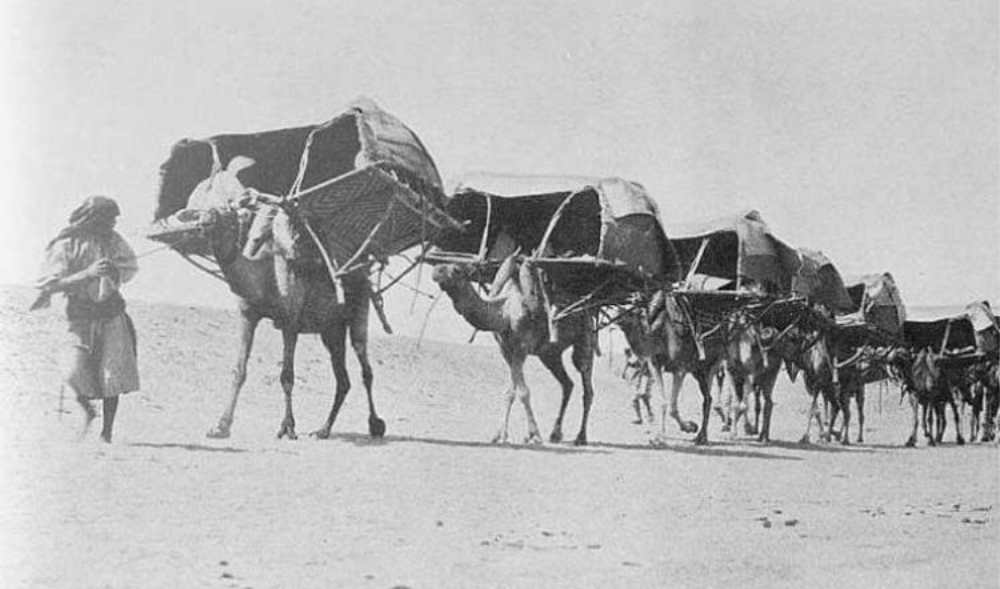
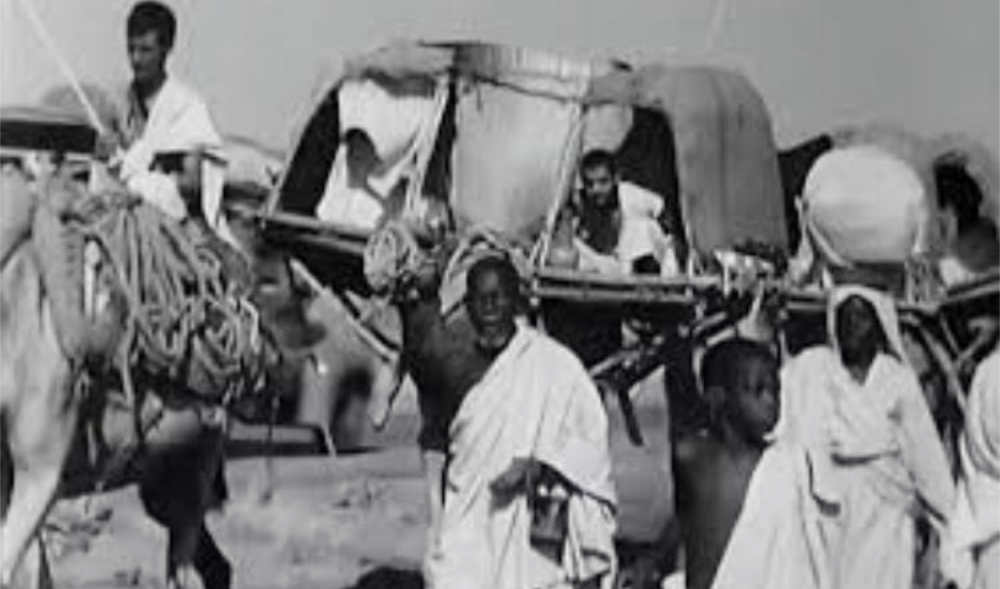
«Transport evolved over time. Previously, people walked for months to reach Mecca, and many of them died along the way. Then people began using camels, also known as the ships of the desert. Then the «hawdah» was invented for carrying women and the kiswah for covering the Kaaba. Previously, caravans traveled in thousands. The pilgrimage routes and the Zubaydah trail are vivid examples of this movement, and the camel passages testify to the importance of these routes,» he said.
Saad Al-Qurashi, an investor in Mecca's transport sector, said that transport in Mecca has undergone a major revolution.
Saad Al-Qurashi said that Mecca differs from other cities due to its complex topography, which in the past made it difficult to cut through mountains to facilitate access to the central area around the Grand Mosque.
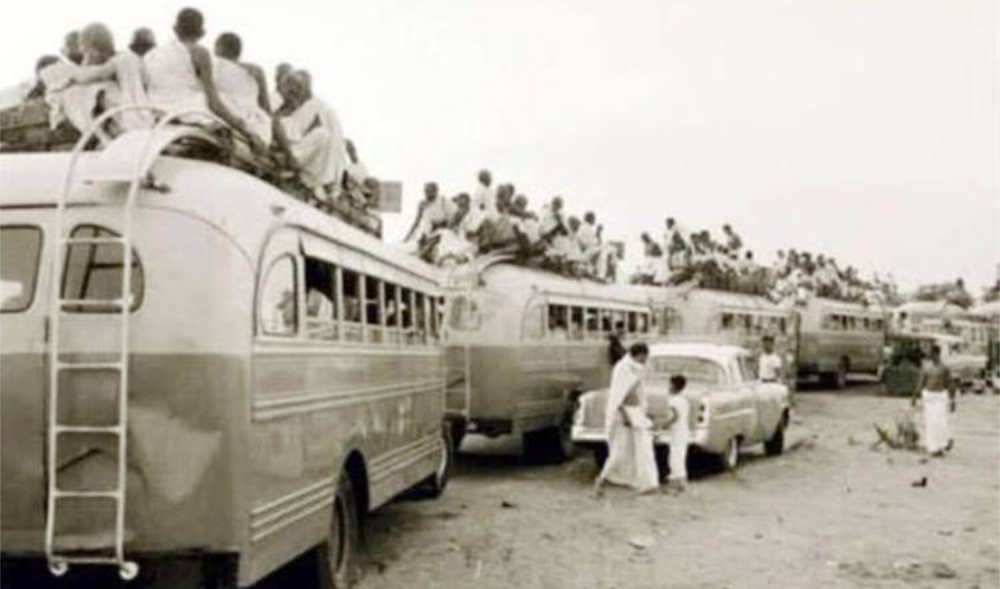
Transport underwent a huge revolution after the discovery of oil, which led to the use of cars, buses, airplanes, and trains.
«Anyone who looks today at images of transport will see an obvious difference and significant development, especially over the past 100 years. I had the honor, as a guide serving pilgrims, of organizing an exhibition dedicated to the development of the Hajj over time. The exhibition included a special pavilion for transport with images demonstrating the development of this service over time,» said Barka.
Saad Al-Qurashi, an investor in Mecca's transport sector, said that transport in Mecca has undergone a major revolution.
Al-Qurashi explained that «anyone who studies transport movement in Mecca cannot fail to note the importance of the major development that this city has witnessed, a city that receives millions of Muslims from around the world. The Kingdom has been able to overcome this major challenge by launching Mecca buses that meet the highest standards. We also have the Haramain train, the Holy Sites train, and public bus transport, all of which contribute to serving visitors and pilgrims.».
Al-Qurashi said that Mecca differs from other cities due to its complex topography, which in the past made it difficult to cut through mountains to facilitate access to the central part of the Grand Mosque.
He said that «the most important feature of this task was the country's ability to turn the rocky nature of the mountains into tunnels connecting all regions of Mecca.».
These mountains, by their height and structure, constitute a natural barrier and obstacle to reaching the opposite side of the mountain except by going around them; a tiring, complex, and labor-intensive task.
Government agencies sought innovative ways, methods, and solutions to overcome this problem, which led to the idea of building tunnels through the mountains.
Al-Qurashi said: «The public bus transport project, implemented three decades ago in the Holy Sites, contributed to ending the congestion caused by conventional transport systems.».
Mecca is currently undertaking the task of becoming a smart city with modern technical applications to create an advanced transport system to further organize traffic movement.