
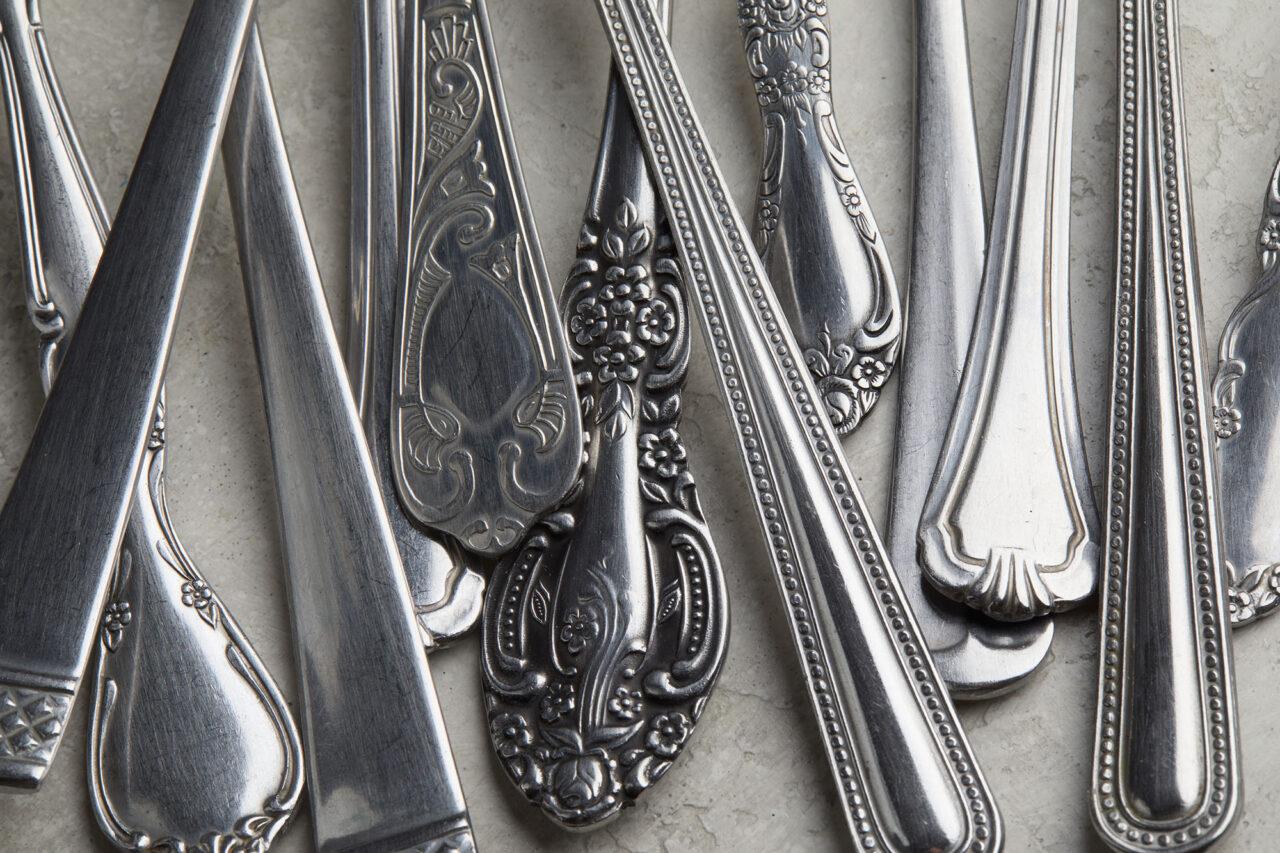
Silver services are not just tableware, but a true embodiment of refinement, aristocracy, and artistic craftsmanship. They adorn tables, lend solemnity to important events, and are a valuable heritage passed down from generation to generation.
History and cultural significance
Silver has been used in everyday life since ancient times, but silver services gained true popularity during the era of European monarchies. In the 17th-18th centuries, silver dining sets became an obligatory attribute of palaces and aristocratic homes, demonstrating the wealth and influence of their owners.
In Russia silver services were in particular demand among the nobility and merchant families. They were made by the finest craftsmen, often supplemented with carvings, patterns, and the owners' coats of arms, turning into true works of art.
Modern production and style
Today, silver services are created with consideration for centuries-old traditions, but are also adapted to modern requirements. Two main methods of production can be distinguished:
- Handcrafting – such services are made by master jewelers and often have a unique design.
- Factory production – a more affordable option, but while maintaining high quality and an elegant appearance.
Among the styles, classic models inspired by antiquity are popular, as well as modern minimalist services that are perfectly suited for stylish interiors.
Advantages of silver services
- Antibacterial properties – silver destroys pathogenic bacteria, which makes such services hygienic.
- Aesthetic value – the refined appearance and luster make services a worthy decoration for any celebration.
- Durability and reliability – proper care allows the service to be preserved in its original condition for decades.
- Investment appeal – silver has a stable market value, and antique services can appreciate significantly over the years.
How to care for silver
To keep the service shining and clean, a number of simple rules must be followed:
- Cleaning – use a soft cloth and special products for silver care.
- Storage – silver should be kept in a dry place, avoiding contact with moisture.
- Use – do not use abrasive sponges or aggressive detergents to avoid damaging the surface.
Silver services are not only practical household items, but also a symbol of prestige, tradition, and craftsmanship. They can become a family heirloom passed down from generation to generation, or a profitable investment that retains its value over the centuries.